Systems That Prevent Water Damage Before It Starts
Drainage & Water Management in Town Creek for properties experiencing flooding, erosion, or standing water issues
Water that doesn't drain properly erodes soil, undermines foundations, floods outbuildings, and turns sections of property into unusable mud zones after every storm. Grissom Site Development LLC installs drainage ditches, swales, culverts, and water diversion systems in Town Creek that redirect runoff away from structures and vulnerable areas. When runoff from upslope properties or poor existing grading creates persistent water problems, the solution involves reshaping how water moves across the land rather than simply waiting for it to soak in or evaporate.
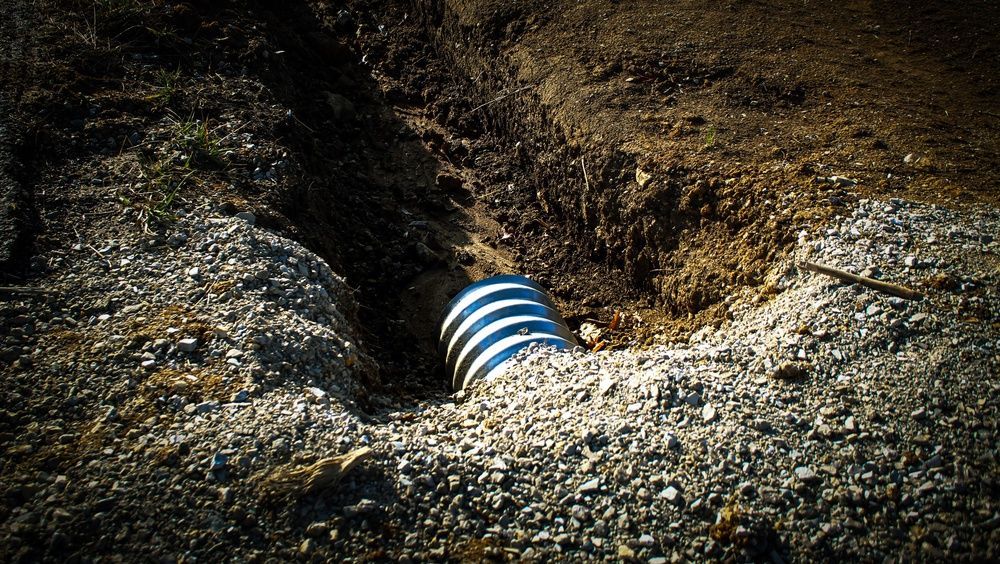
Effective drainage work begins with identifying where water originates, which direction it naturally flows, and where it needs to discharge without causing erosion or transferring the problem to another area. Excavating drainage ditches creates defined channels that carry high volumes during storms, while swales use gentle graded depressions to slow runoff and allow partial infiltration. Culvert installation moves water under driveways or roads without interrupting access, and diversion berms or terraces redirect flow before it reaches problem areas.
Arrange an on-site consultation to map existing drainage patterns and determine the system configuration needed for your property.
How Drainage Systems Address Flooding
North Alabama's clay soils and seasonal rainfall patterns mean that properties often deal with prolonged saturation rather than rapid infiltration, so drainage solutions must move water off-site rather than relying solely on absorption. Ditches are sized based on the contributing drainage area and expected storm intensity, typically with sloped sides stable enough to resist erosion but accessible for periodic maintenance. Swales work where slower, distributed flow is acceptable and where maintaining vegetation helps filter sediment while stabilizing the channel.
After installation, you notice water flowing through defined channels during rain events instead of spreading across yards or pooling near buildings, driveways that remain passable because culverts move water underneath rather than over the surface, and soil that dries faster between storms because runoff is actively removed rather than left to saturate the ground. Basements stay dry, equipment storage areas remain accessible, and landscaping survives without drowning in standing water.
Flood prevention grading adjusts the surrounding terrain to direct water into the drainage system before it reaches structures, often combined with ditch or swale work as part of a comprehensive approach. Some properties require multiple discharge points or staged systems that slow water before releasing it into natural drainages or municipal infrastructure.
Common Questions About This Service
Water management solutions vary based on property topography, soil conditions, and the severity of existing drainage problems, so understanding what the work involves helps property owners plan effectively.
What's the difference between a drainage ditch and a swale?
Ditches are deeper, steeper-sided channels designed to move water quickly off the property, while swales are shallow, broad depressions that slow runoff and allow partial infiltration, often vegetated to prevent erosion.
How do you determine where to place culverts?
Culverts go where water naturally crosses driveways, roads, or property lines, sized to handle peak flow without backing up or washing out, and installed at a gradient that maintains flow velocity without causing downstream erosion.
Why does water still pool in some areas after heavy rain?
If pooling persists after drainage work, it usually indicates additional low spots that need fill and regrading, undersized channels for the actual runoff volume, or discharge points that can't handle the flow being delivered to them.
When should drainage work happen relative to other site improvements?
Drainage systems should be installed before driveways, landscaping, or final grading, since the work involves excavation and earth moving that would damage finished surfaces if done afterward.
What maintenance do drainage systems require in Town Creek?
Ditches and swales need periodic clearing of sediment and debris that accumulates during storms, and culverts require inspection to ensure inlets and outlets remain unobstructed and haven't eroded at the pipe ends.
Grissom Site Development LLC evaluates drainage problems across residential, agricultural, and commercial properties and designs solutions based on actual flow patterns and site constraints. Contact us to review your property's water management needs and develop a system that prevents future flooding and erosion.