
Shaping Land to Control Water Flow
Site Grading & Excavation in Town Creek for properties with drainage problems and uneven building sites
Water pools against foundations, driveways settle into low spots, and yards turn to mud because the ground slopes the wrong direction or lacks proper contouring. Site grading corrects these conditions by reshaping the soil to direct water away from structures and create stable, level areas for construction or landscaping. Grissom Site Development LLC performs rough and finish grading in Town Creek, along with excavation for foundations, utility trenches, and drainage correction on properties where the natural topography creates functional problems.
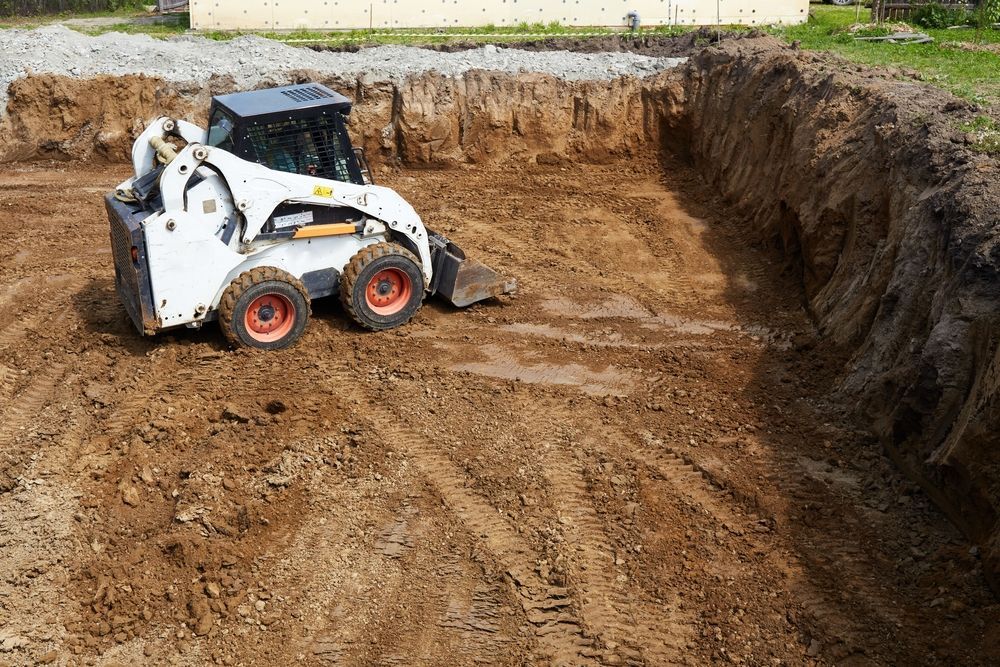
Grading involves cutting high areas and filling low spots to achieve a specified slope or elevation, using GPS-guided equipment on larger projects or manual grade checking on smaller sites. Excavation removes soil to create building pads, install underground utilities, or establish proper depth for structures like retaining walls and septic systems.
Schedule an on-site assessment to identify grading requirements and drainage solutions for your property's specific elevation and soil conditions.
Why Proper Grading Matters for Construction and Drainage
Grading establishes the foundation elevation and surrounding slope that determine where water flows during and after rain events. Building codes typically require ground to slope away from structures at a minimum grade to prevent water infiltration, which means reshaping the soil before construction begins. You need soil moved, compacted, and contoured to match engineered plans or to correct existing drainage failures that cause standing water or erosion.
After grading is complete, you see a surface that follows the planned contours, with high points directing water toward designated drainage paths and low areas filled to prevent pooling. The soil is compacted in lifts if fill material was added, creating a stable base that won't settle unevenly under structures or paving. Properties that previously flooded or held water show immediate improvement once grading redirects runoff toward appropriate discharge points.
Finish grading prepares the surface for final landscaping or paving, smoothing out rough grading marks and achieving tolerances within inches of the target elevation. This step matters when installing driveways, sidewalks, or lawns where minor elevation errors create noticeable drainage problems or uneven surfaces.
Common Questions About Grading and Excavation Work
Grading projects range from minor drainage correction to full site preparation for new construction, and understanding the scope helps clarify what the work involves.
What's the difference between rough and finish grading?
Rough grading establishes major elevation changes and slope directions using bulldozers or excavators, getting the site within a few inches of target grade. Finish grading uses smaller equipment to smooth the surface and achieve precise elevations required for paving, landscaping, or construction.
How is excavated soil managed during grading?
Excess soil is either spread in low areas on the same property, used to build berms for drainage control, or hauled off-site if there's more material than the project needs. Importing fill becomes necessary when excavation creates a deficit or when native soil doesn't compact properly.
What causes drainage problems that grading fixes?
Improper slope, settled fill, construction that altered natural drainage paths, or soil compaction that prevents infiltration all cause water to pool or flow toward structures. Grading reestablishes positive drainage by contouring the surface so gravity moves water away from problem areas.
When does excavation require erosion control measures?
Projects in Town Creek that disturb more than one acre or involve steep slopes typically require silt fencing, erosion blankets, or temporary seeding to prevent soil loss during rain. Smaller residential projects still benefit from erosion control if grading happens during wet seasons or on sloped terrain.
How deep does excavation go for foundation preparation?
Footing depth depends on building codes and soil conditions, but residential foundations typically require excavation between eighteen inches and several feet below finish grade. The excavation must reach stable, undisturbed soil or engineered fill that can support the structure's load without settling.
Grissom Site Development LLC handles grading and excavation projects where controlling water flow and preparing stable building surfaces are necessary. Contact us to review your property's grading needs and discuss solutions for drainage or construction preparation.