Earthmoving for Residential and Commercial Projects
Excavation & Dirt Work in Town Creek for construction, drainage, and site development requiring precise earth removal and placement
Most construction projects begin with excavation—digging trenches for utilities, removing soil to reach stable bearing layers, placing and compacting fill to achieve required elevations, and hauling material to balance cut-and-fill across the site. Grissom Site Development LLC provides general excavation, trenching, backfilling, material hauling, and custom earthmoving solutions in Town Creek for residential, commercial, and agricultural projects where grade changes, underground installations, or soil corrections determine whether the rest of the work proceeds smoothly or encounters costly delays.
The process involves more than simply moving dirt from one location to another—each type of excavation requires specific depths, slopes, and compaction standards depending on what's being installed or built. Trenching for water lines, sewer laterals, or electrical conduit follows utility depths and grades that ensure proper function, while general excavation removes unsuitable material and prepares subgrades that won't settle or shift under structural loads. Backfilling replaces excavated material in controlled lifts, compacted to prevent voids that cause future settling, and material hauling moves excess soil off-site or imports suitable fill when on-site material is inadequate.
Schedule a site evaluation to determine excavation requirements based on your project plans and current ground conditions.
The Difference Between Excavation Types
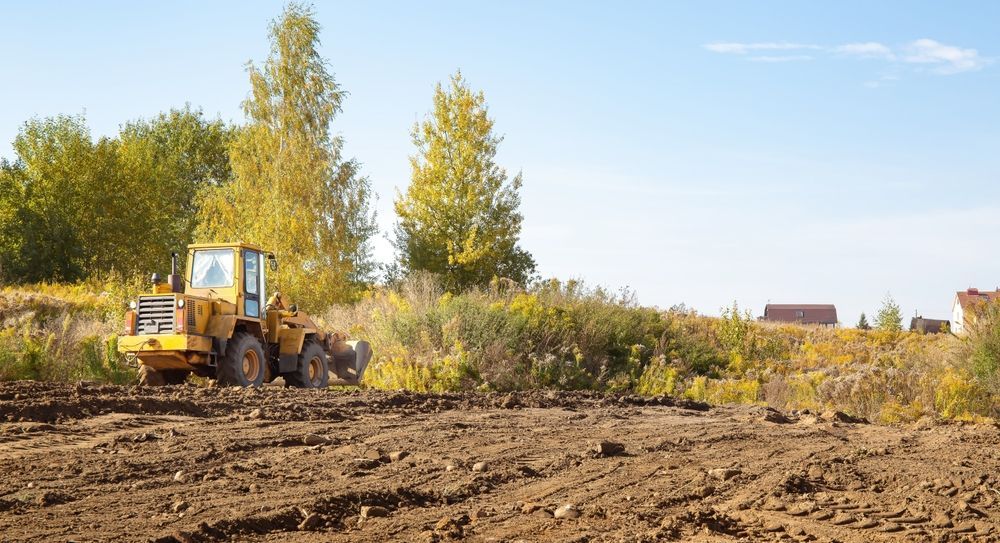
Each excavation task serves a different purpose and follows specific standards. Utility trenching maintains consistent depth and slope to prevent low spots where water or waste would accumulate, with widths that allow pipe installation and bedding without workers entering unsafe trench depths. Foundation excavation removes topsoil and organics down to load-bearing strata, often extending beyond footing dimensions to provide working room for formwork and waterproofing. General site excavation reshapes terrain to match grading plans, balancing cut and fill to minimize hauling costs while achieving target elevations for drainage and access.
When excavation is complete, you see trenches cut to consistent depth with stable sidewalls and proper bedding material in place for pipe installation, foundation areas excavated to the correct elevation with level bottoms and square corners that match building plans, and site grades that direct water away from structures while providing level areas for driveways, walkways, and landscaping. Backfilled areas settle uniformly rather than creating depressions that collect water or crack pavement after construction finishes.
Material hauling removes unsuitable clay, organic soil, or excess cut material and replaces it with engineered fill or gravel that compacts properly and drains water instead of holding it. Some projects require off-site disposal while others involve importing material, depending on whether existing soil meets project specifications or needs replacement entirely.
Questions Before Starting Your Project
Excavation and dirt work raise practical questions about material handling, project sequencing, and site conditions that affect timelines and costs.
What determines whether soil can be reused as backfill?
Soil suitability depends on clay content, moisture level, and organic material presence—sandy or gravelly soils compact well and drain effectively, while high-clay soils often require drying before compaction and may need replacement with granular material in drainage-critical areas.
How does trenching depth affect the work process?
Trenches deeper than four feet require shoring or sloped sidewalls for safety, which increases trench width and the volume of material that must be excavated and backfilled, affecting both time and cost compared to shallow utility installations.
Why does excavation cost vary even for similar projects in Town Creek?
Costs depend on soil type and ease of excavation, depth and volume of material moved, distance to disposal or borrow sites for hauling, presence of rock or groundwater that complicates digging, and accessibility for equipment to reach work areas without damaging existing improvements.
When should excavation happen relative to other site work?
Excavation typically follows clearing and rough grading but precedes concrete work, utility installations, and paving, so underground systems are placed at correct depths without being disturbed by later heavy equipment traffic.
What equipment is used for different excavation tasks?
Backhoes handle most utility trenching and smaller excavations, track excavators dig deeper features and load material efficiently for hauling, and bulldozers move large volumes during site grading and push material across the property to balance cut and fill areas.
Grissom Site Development LLC coordinates excavation and earthmoving with project schedules to keep construction progressing without delays caused by unsuitable ground conditions or improper grading. Call (256) 616-6203 to discuss your excavation needs and receive a detailed estimate based on site-specific conditions and project requirements.