
Access Roads Built for Long-Term Use
Driveway Construction in Town Creek for new home sites and properties requiring reliable access
Rural driveways fail when the base isn't prepared correctly, water washes out gravel, or the path follows terrain that concentrates runoff and creates ruts. New driveway construction establishes a stable travel surface by preparing the subgrade, installing proper drainage structures, and building the roadbed with materials that handle the expected traffic and weather conditions. Grissom Site Development LLC installs gravel driveways and private access roads in Town Creek, including grading, culvert installation, and resurfacing for properties where distance from the main road or soil conditions require more than a simple gravel spread.
Construction begins with clearing and rough grading the path, followed by subgrade preparation that may include geotextile fabric on soft soils to prevent the gravel from sinking into the underlying ground. Culverts are installed where the driveway crosses natural drainage paths or roadside ditches, and the gravel base is spread in layers and compacted to create a firm surface that sheds water rather than holding it.
Schedule a site visit to evaluate your property's access needs and determine the driveway configuration that handles terrain and drainage conditions.
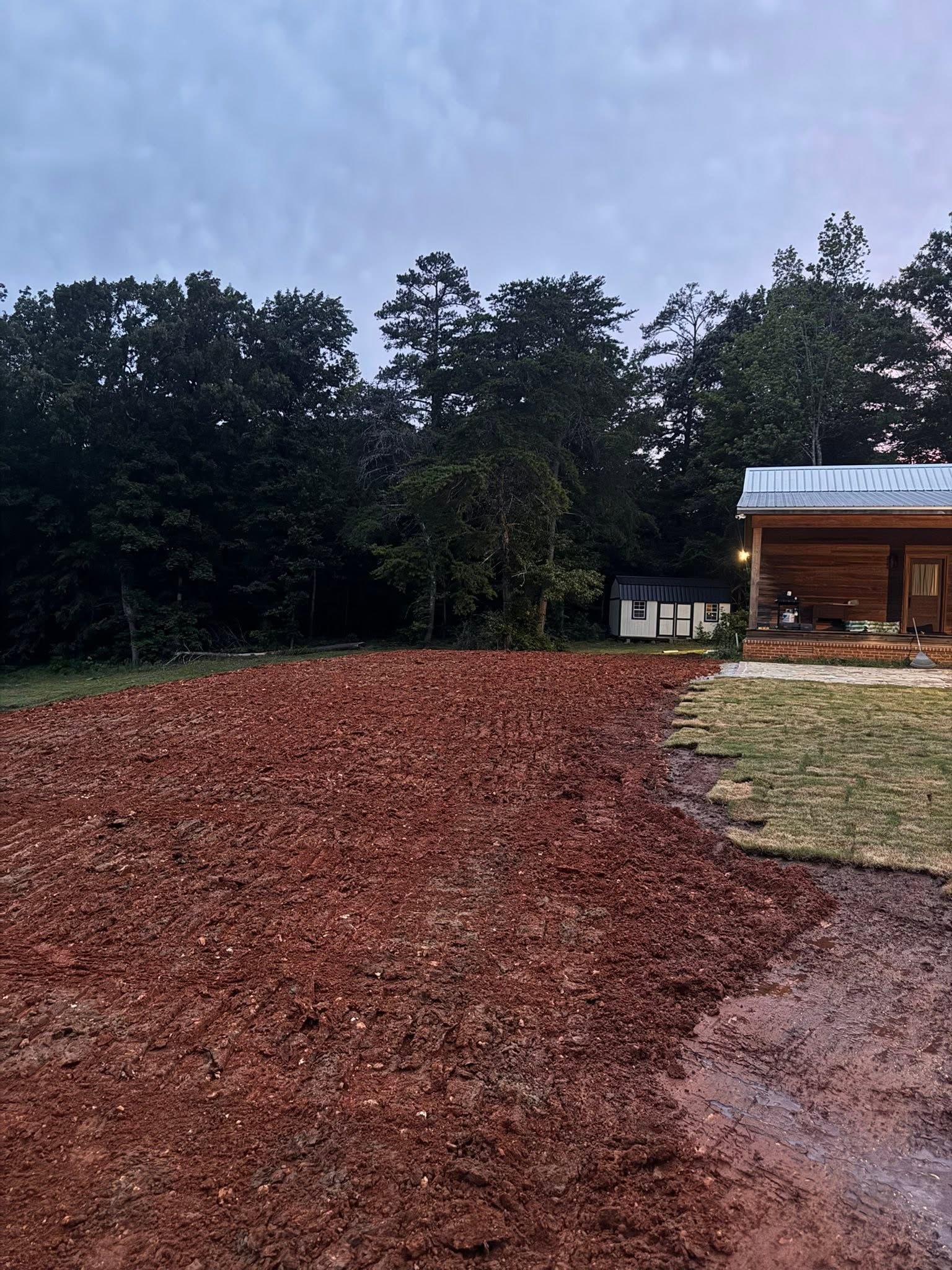
How Driveways Are Built to Prevent Washout and Rutting
Driveway longevity depends on controlling water movement and establishing a firm base that doesn't shift under vehicle weight. The subgrade is shaped to crown in the center or slope to one side, so water runs off rather than soaking into the gravel and weakening the roadbed. Culverts installed at low points or where water crosses the driveway prevent flow from cutting through the gravel and creating impassable washouts during heavy rain, which happens frequently in North Alabama when storms drop several inches in short periods.
After construction, you have a gravel surface that remains passable in wet conditions, with a firm base that resists rutting from repeated traffic. The driveway sits slightly higher than adjacent ground, allowing water to drain off the sides into vegetated areas or constructed ditches. Properties with long driveways or steep slopes see the most benefit from proper drainage structures, as these conditions accelerate erosion and material loss on poorly built roads.
Resurfacing adds new gravel over existing driveways that have thinned or developed ruts, while regrading corrects driveways where the base has settled or water flow has changed the original contour. Driveways that weren't built with adequate base material or drainage often require reconstruction rather than simple resurfacing to address underlying problems.
What Property Owners Ask About Driveway Projects
Driveway construction involves more than spreading gravel, and understanding the components helps set expectations for cost and durability.
What type of gravel works best for driveways?
Crushed stone with angular edges compacts tighter and resists displacement better than rounded river gravel, with sizes ranging from three-quarter inch down to fines that fill voids and bind the surface. The base layer uses larger stone for stability, while the top layer uses smaller material for a smoother travel surface.
How thick should a gravel driveway be?
Driveways handling regular vehicle traffic need at least six inches of compacted gravel over a prepared subgrade, with eight to twelve inches required for heavier loads or soft soil conditions. Insufficient depth allows vehicles to push through the gravel into the underlying soil, creating ruts and mud.
When do driveways need culverts installed?
Culverts are necessary wherever water naturally flows across the driveway path, at roadside ditch crossings, and in low areas where runoff concentrates during storms. Undersized or missing culverts cause washouts that make driveways impassable until repaired.
How does grading prevent washout on sloped driveways?
Sloped driveways require water bars, cross-slope grading, or ditches that divert runoff off the road surface before it gains enough velocity to erode the gravel. Driveways without drainage control on slopes wash out within a few heavy rains, requiring frequent regrading and material replacement.
What's involved in resurfacing an existing driveway?
Resurfacing spreads new gravel over the existing surface after minor regrading to restore proper crown and drainage, adding material to areas that have thinned or rutted. If the base has failed or drainage problems persist, regrading and reconstruction address underlying issues that resurfacing alone won't fix.
Grissom Site Development LLC builds gravel driveways and access roads for properties throughout Town Creek where reliable access depends on proper base preparation and drainage control. Reach out to discuss your driveway project and receive an estimate based on length, terrain, and drainage requirements.